On the afternoon of December 2nd, the public lecture “Jewish left-wing Exiled Female Writers and Their Depictions of Red China” was successfully held at the Shanghai Jewish Refugees Museum. This lecture was the second in the series “Jewish Exile Literature in Shanghai: Chinese Narratives and Contemporary Echoes.” It was co-hosted by the Center for Chinese Discourse and World Literature at Shanghai International Studies University, the Shanghai Jewish Refugees Museum, and the Shanghai Academy of Global Governance and Area Studies. The lecture was delivered by Chen Lizhu, the lecturer from the School of Foreign Languages and Cultures at Chongqing University, and moderated by Dr. Zhu Weifang, a postdoctoral researcher at the Center for Chinese Discourse and World Literature at Shanghai International Studies University. The event attracted many historians, literature enthusiasts, and local citizens, who came together to explore this hidden history that born from multiple marginalities.
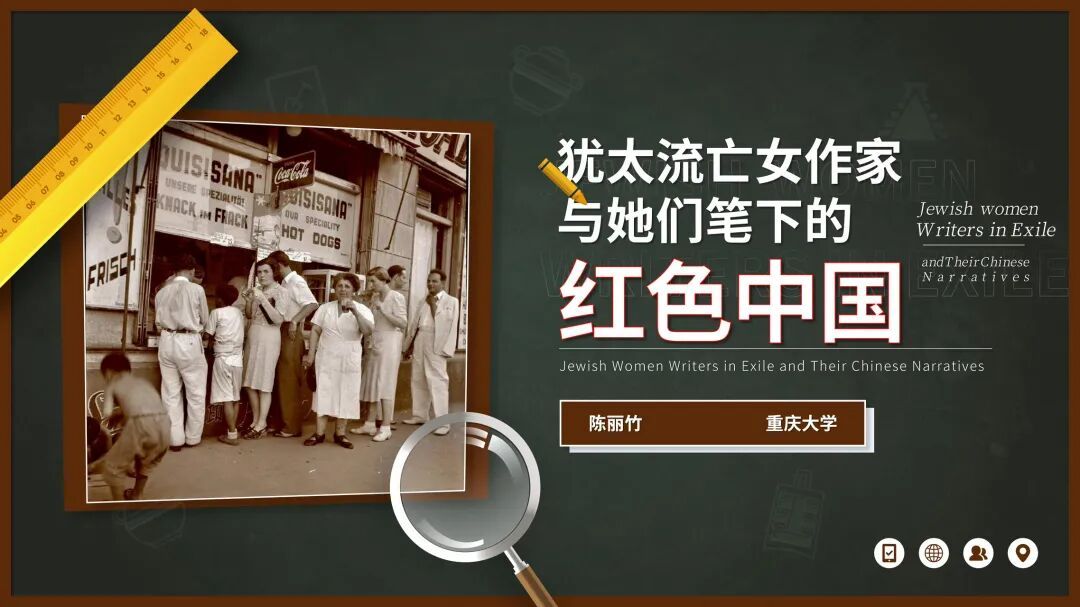
At the beginning of the lecture, Chen Lizhu guided the audience through a deeper understanding of the “Jewish refugee” group. She pointed out that within this group, there were differences in nationality, class, occupation, and political stance. Among them, left-wing female intellectuals were especially marginalized from mainstream narratives. Due to their political choices and gender identities, they faced “double obscurity” in historical records and public discourse—being constrained both by the survival realities of refugees and by the male perspectives and power structures within the Jewish refugee community.
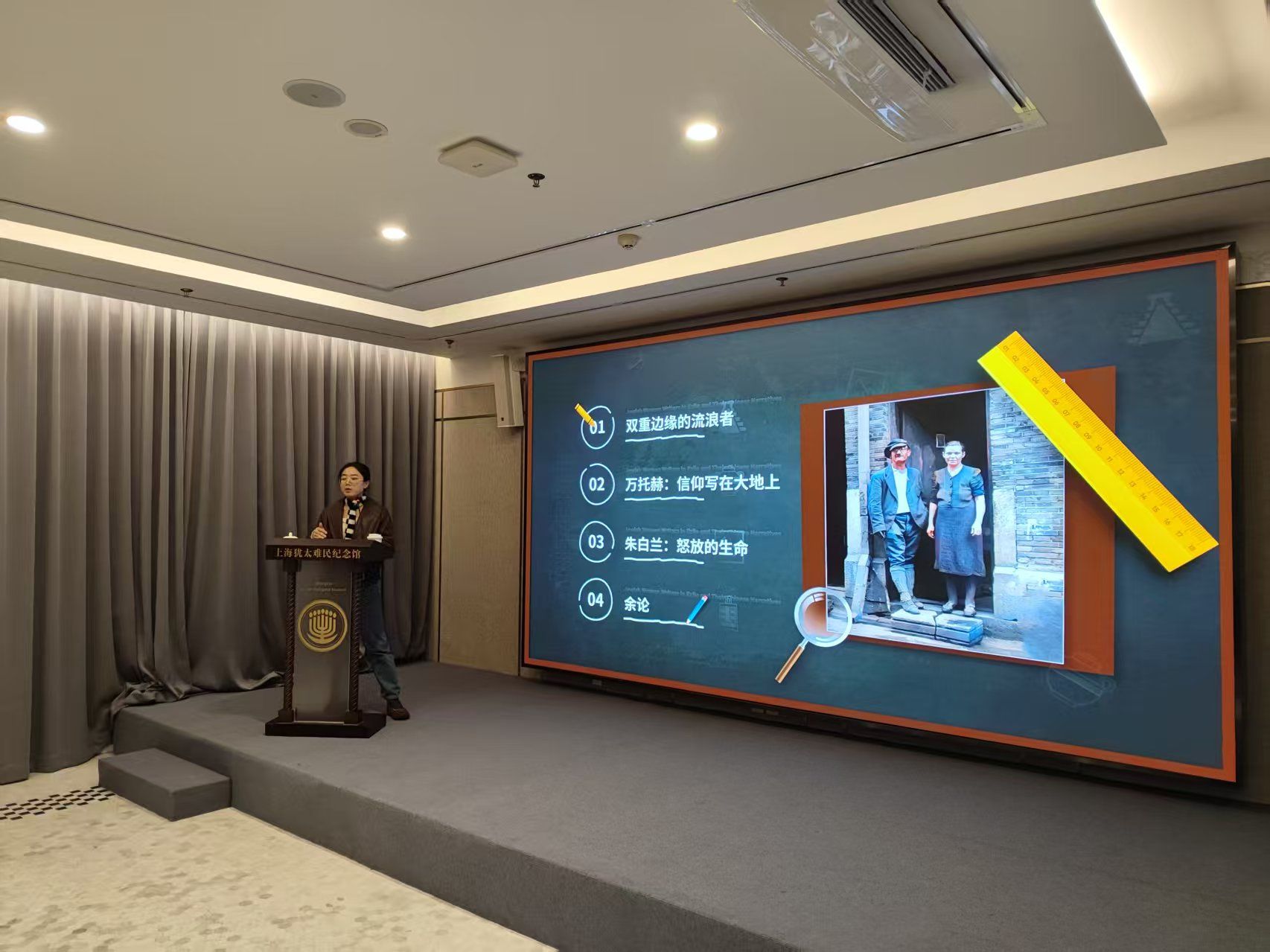
Chen then elaborated on the spiritual resonance between the Jewish historical experience and communist ideology. She argued that the long period of dispersion and oppression that Jewish intellectuals experienced provided fertile ground for their identification with the internationalism and class struggle inherent in communist ideals. The burgeoning anti-Japanese struggle in China offered these idealistic intellectuals a concrete battleground for resistance and a spiritual homeland.
Chen Lizhu then introduced two representative Jewish left-wing female writers and their works. Susanne Wantoch, who came to China in 1939 as part of an international medical team and later taught at the exiled Henan University. Her novel The Hard Road documents the immense struggle of Henan’s teachers and students to preserve the continuity of learning during the war. It offers a detailed portrayal of the common people—teachers, students, and local residents before and after the Tantou Massacre, with a focus on the women—showing their fortitude and growing awareness. Another legendary writer, Klara Blum (Chinese name: Zhu Bailan), traveled all the way to China in pursuit of her romantic ideals, intertwining her personal destiny with a profound identification with the Chinese revolution. Her autobiographical novel The Cowherd and the Weaver Girl intertwines personal love and waiting with the grand narrative of national liberation, showcasing unique emotional projection and political concern.
Chen Lizhu emphasized that the writings of Wantoch and Zhu Bailan were born at the intersection of multiple marginalities. Their narratives not only filled in the historical gaps left by mainstream accounts but also broke through the single perspective of history. They were not only victims and witnesses of history but also active participants and narrators.
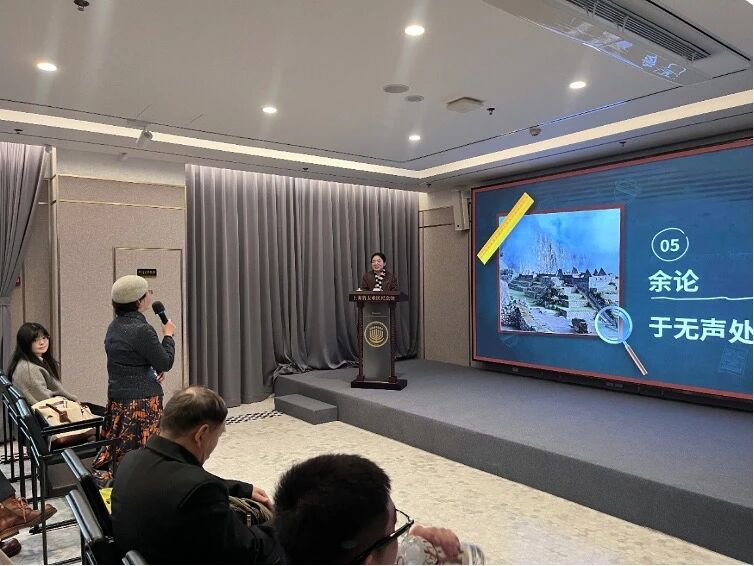
In the subsequent Q&A session, the audience actively discussed topics such as Zhu Bailan’s later works, Jewish national history, and contemporary international relations. Chen Lizhu responded to these inquiries with historical materials and her research, fully demonstrating the public’s strong interest in this historical period, which intertwines war, exile, ideals, and gender issues.
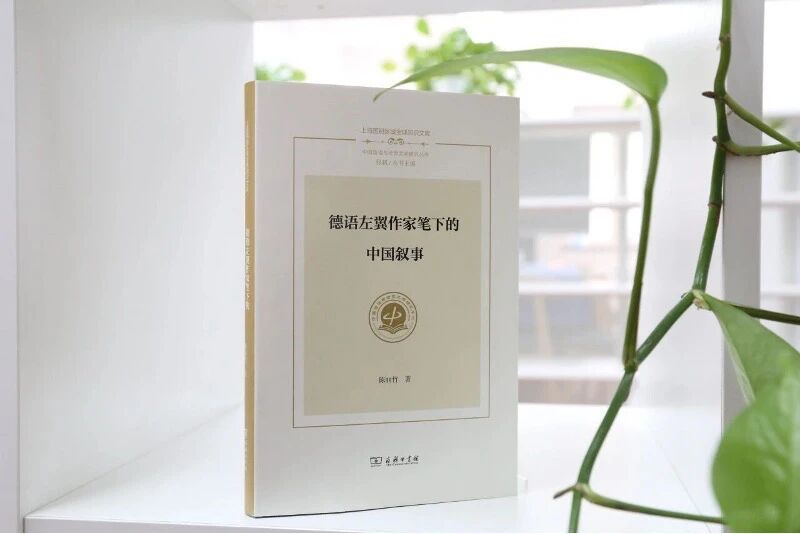
About the Speaker
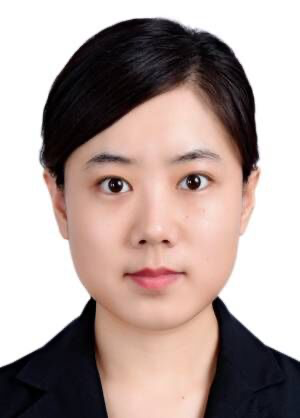
Chen Lizhu is a lecturer at the School of Foreign Languages and Cultures at Chongqing University. She earned her Ph.D. in German Studies from Shanghai International Studies University, studying under Professor Zhang Fan. She was a visiting scholar at Heidelberg University in Germany. Chen currently leads a National Social Science Foundation project on “Research on Chinese Narratives in 20th-Century German Leftist Literature.” She has published a monograph titled Chinese Narratives in the Writings of German Leftist Authors, translated three works including Typhoon Over Shanghai, and has published academic journal articles such as The ‘Foreigner’ Narrative and Shanghai Imagery in Silver Anna and Eating Cake with Chopsticks and The Chinese Revolutionary Heroes in the Writings of German Leftist Authors. Her research mainly focuses on 20th-century German leftist literature and Sino-German comparative literature.
This article is reposted from the Center for Chinese Discourse and World Literature Studies.
 Contact Us
 Become a Volunteer




 021-55133186
 info@shjews.com
 62 Changyang Road, Hongkou District